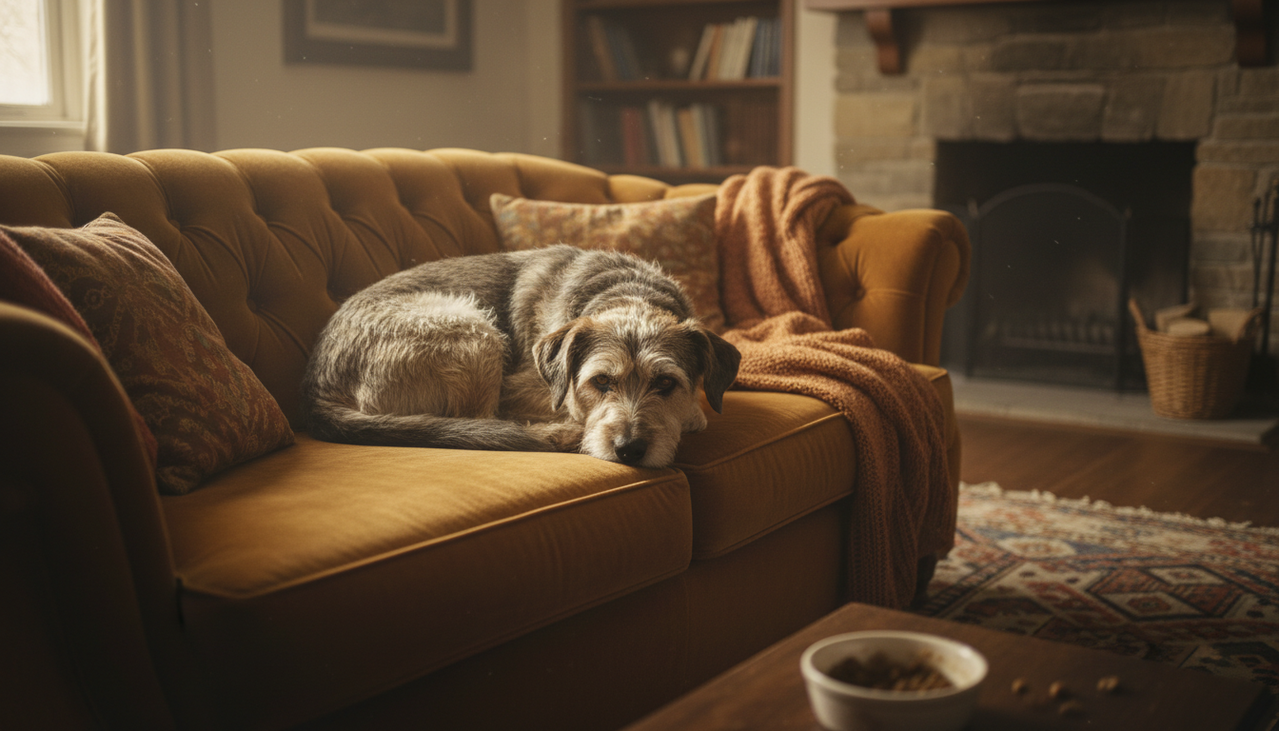
Signs Your Pet Has Anxiety (And What You Can Do About It)
For devoted pet parents — a guide to spotting stress in dogs and cats before it gets worse.
By the Pet Calming Beds Team · 5 min read
If your dog hides under the bed during a thunderstorm or your cat refuses to eat when you're away, you're not imagining things. Anxiety in pets is surprisingly common — and often misread as bad behaviour. Learning to recognise the signs early can make all the difference to your pet's quality of life.
Why Pet Anxiety Is More Common Than You Think
Studies suggest that up to 70% of dogs show at least one anxiety-related behaviour. Cats, though harder to read, are equally susceptible — especially to changes in routine, environment, or social dynamics. The tricky part? Many of these signals look a lot like ordinary pet quirks.
7 Signs Your Pet May Be Anxious
1
Excessive barking or meowing — Vocalising far more than usual, especially when left alone, is a classic anxiety signal.
2
Destructive behaviour — Chewing furniture, scratching doors, or shredding bedding often signals distress, not disobedience.
3
Pacing or restlessness — An anxious pet struggles to settle. Watch for repetitive circuits around the room.
4
Hiding or withdrawing — Retreating to unusual hiding spots — especially during events like fireworks — is a coping mechanism.
5
Trembling or shaking — Physical shaking not caused by cold is often a stress response.
6
Loss of appetite — Skipping meals or eating far less than usual can indicate emotional distress.
7
Excessive grooming or self-licking — Compulsive grooming, especially to the point of hair loss, is a tell-tale stress sign in cats and dogs alike.
What Triggers Anxiety in Pets?
Common triggers include separation from their owner, loud noises (fireworks, thunder, construction), new environments, other animals, vet visits, and disruptions to routine. Rescue pets and dogs with unknown histories are particularly prone to anxiety.
A calm, secure sleeping space is one of the simplest things you can give an anxious pet.
How to Help an Anxious Pet
There's no single fix, but a combination of environment, routine, and comfort goes a long way:
Maintain a consistent daily schedule
Create a quiet, safe retreat space — ideally a dedicated bed they associate with calm
Avoid punishing anxiety-driven behaviours
Speak calmly and avoid inadvertently rewarding fearful reactions
Consider a vet consultation if anxiety is severe or persistent
The Role of a Calming Bed
One of the most effective tools for anxious pets is a well-designed calming bed. The raised rim design mimics the sensation of being held or nested, activating a natural soothing response in dogs and cats. The ultra-soft fill material provides warmth and pressure comfort — much like a weighted blanket for humans. Many pet parents notice a marked difference in their pet's ability to settle within the first few days.
Understanding your pet's anxiety is the first act of care. The second is giving them a safe, comforting place to land. Explore our range of calming beds — designed by pet parents, for pets who deserve the very best rest.
Shop Calming Beds →